



















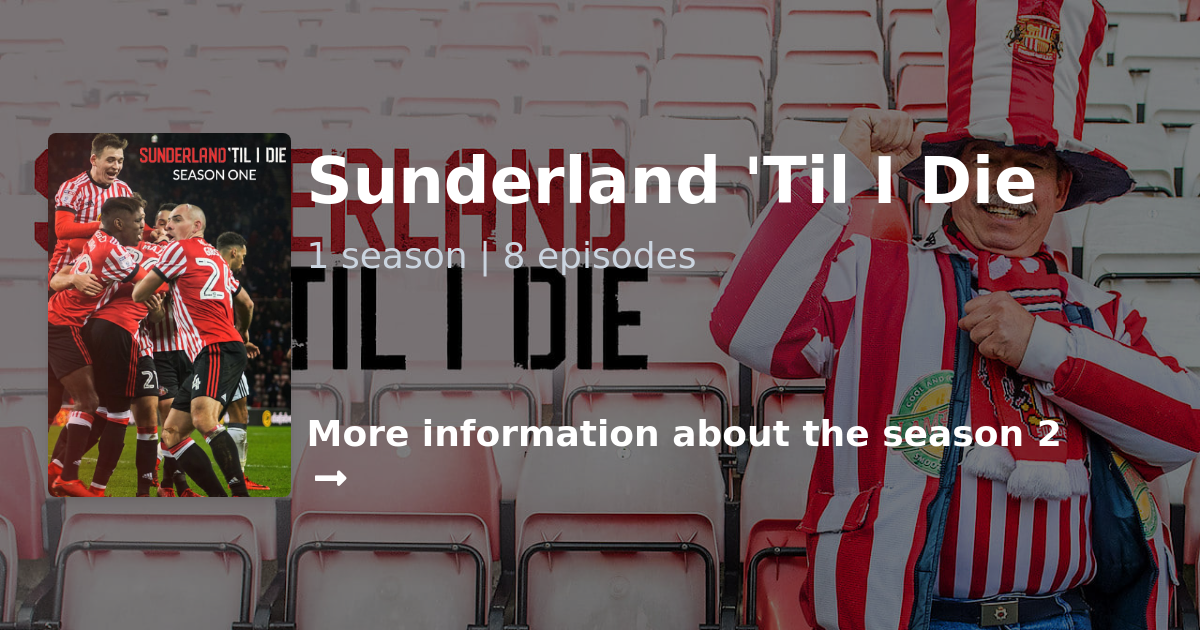
Netflix recently released Sunderland ‘Til I Die season 2 and, in the process, gave soccer fans something to cheer about. If you saw the first season of the show, you already know what’s going on. But if you missed out, you might not understand what all the fuss is about.
There is something therapeutic about seeing Sunderland fail time and time again. Watching Sunderland ‘Til I Die season 2, or even season 1 for that matter, makes you feel better about yourself in some weird way. It doesn’t matter if you like soccer or know anything about Sky Bet League One, you should check the show out.
Some of this stuff might seem foreign to you if you’re from the States, even if you follow the Premier League. That is why we here at The Touchback bring you an American’s guide to Sunderland ‘Til I Die season 2. This is a for Americans, by Americans look at some key areas in the show you may not understand.
An American’s guide to Sunderland ‘Til I Die season 2
1) Will Grigg
Sunderland paid an obscene amount of money to acquire Will Grigg who is best known for having a nifty song. But unless you are a soccer die-hard, the name Will Grigg probably doesn’t do a lot for you. But he has to be important, right? Sunderland Chairman Stewart Donald wouldn’t have spent so much time obsessing over him and then eventually spending GBP4 million (that’s USD4.9 million today) if he was a mediocre player.
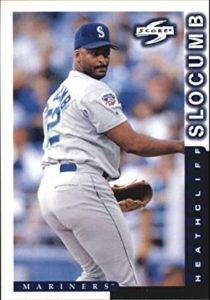
An American sports comparison for Grigg and this deal would be Heathcliff Slocumb being shipped to the Seattle Mariners in 1997. If you don’t know him, Slocumb was a pedestrian middle reliever in the 1990s who was part of one of the most lopsided trades in MLB history. The Mariners got their reliever and didn’t get out of the divisional round of the playoffs that year. Meanwhile, the Boston Red Sox acquired Derek Lowe and catcher Jason Varitek in the trade. The duo would eventually help Boston win the World Series.
Sunderland got Will Grigg. I won’t spoil the ending of the show, but you have to think Wigan will fully enjoy their GBP4 million.
2) The Fans
English soccer fans love to overreact. And Sunderland supporters are something else in this regard. Every single result is either the end of the world or the greatest thing ever. All the fan talking heads in Sunderland ‘Til I Die season 2 confirm this. Look, American sports fans can do their fair share of overreacting, but the amount of swearing, crying and unchecked anger shown throughout the show is a testament to how ridiculous soccer fans are. Someone is either way too happy or way too angry after every little thing.
3) Checkatrade Trophy
Now known as the EFL Trophy, the Checkatrade Trophy was made out to be a big deal in Sunderland ‘Til I Die season 2. Don’t be fooled, this is a nothing competition. You know those scrub college basketball tournaments held in November and December? Yeah, winning the Checkatrade Trophy is basically on par with that.
You could say it is the Diamond Head Classic of English football. In case you forgot, the Diamond Head Classic is that random college basketball tournament played on Christmas Day. You’ve probably seen it on ESPN although might not have realized what it is. There are like one or two recognizable teams, but no one of importance is playing.
Winning the Diamond Head Classic may be seen as an accomplishment during the season, but means very little in the grand scheme of things. No one is hanging that banner in the rafters. Sunderland fans caring about the Checkatrade Trophy is essentially like fans of a school in the Diamond Head Classic placing importance on winning it.
4) Charlie Methven
This guy. If you never worked in a British company, you may be amazed how someone as clueless as this can be placed in charge of anything. There are a lot of bad American bosses out there, but at least there is usually a justifiable reason as to why they have been put in charge. That’s not how it works in England and Charlie Methven is a prime example of this. He has no business being an Executive Director at Sunderland. However, he got the job.
I guess you could call it David Brent-ism, but in England, if you are really loud and don’t stop talking, people will put you in charge. I’ve seen it firsthand having been employed several British-led companies abroad. I have worked with some great Brits, some of who were in leadership positions, but more than half seemed wildly unqualified to be in charge of their own life let alone actual people. As for Methven, his bumbling foolery can best be seen in two examples.
The first is in the opening episode of season two. There is all this talk about how Sunderland are losing money hand over fist, and yet there is Methven trying to explain why the club needs Adagio For Strings by DJ Tiesto played before each match. Don’t bother trying to fix what is actually wrong or anything. Put your time and energy in trying to recreate Creamfields at the Stadium of Light in order to “rejuvenate the culture”. By the way, that phrase is really code for someone in a leadership not knowing anything but being desperate to show their bosses they are actually doing something.
Another example of British boss incompetence comes during the matches when Methven is getting angry at the manager’s tactics. He points out to his wife very basic things to prove how much he knows about soccer. Many bosses from England believe if they know the slightest bit about a subject, they are immediately an expert on it. They then must impart this knowledge on anyone and everyone who is within shouting distance of them.
Understandably, some Americans may be skeptical that this is true about bosses in England. If you don’t believe it, check out UK Prime Minister Boris Johnson’s qualifications to be in politics. Spoiler alert, he had none. He just talks loudly and a lot. In England, that’s all it takes to be put in charge.
And finally…
It has to be noted that our American’s guide to Sunderland ‘Til I Die season 2 doesn’t cover the fact that the people have a ridiculous accent that barely qualifies as English. You may need subtitles to understand some of the Sunderland fans when they are speaking to the camera.