





Los Angeles Lakers fans have been mourning the loss of the Staples Center name. Part of it is nostalgia. And part of it is the fact the venue is now named after a dubious website peddling in a dodgy field. However, this isn’t the first time an NBA arena name has been used as a platform for a massive scam. More than a decade ago, we witnessed one of basketball’s darkest times.
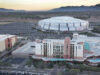
Okay, so maybe that’s a bit of a reach. But when the infamous owners of the Sacramento Kings, the Maloof Brothers, accepted a bag of cash from a hologram bracelet maker to rename the downtrodden Arco Arena, Power Balance Pavilion in 2011, the league definitely didn’t do itself any favors.
Now, it must be said, Power Balance trinkets were extremely popular for a hot minute in the late 2000s. Seemingly every athlete was wearing them and then NBA Commissioner David Stern gladly allowed them to sell officially licensed NBA products.
However, the hologram bracelet maker had been forced to admit that their products were a sham before the arena naming deal was even reached. At least Crypto.com got their agreement in place before the jig was up.
Power Balance was already the frame of the Hindenburg burning on the ground when its name went up on the Kings’ home. This is the story of that one time an NBA arena was named after a massive scam.
More Basketball: 5 things you may not remember about brothers in the NBA
The NBA arena named after a massive scam
Unleashing the power of holograms

Super honesty time. Men really want to wear accessories. The problem most of us have is that in order to do so, we need some sort of justification. You can’t just sport a necklace. There has to be a story behind why.
Livestrong tapped into this big time in the mid-2000s with the launch of the iconic yellow bracelet. Guys could wear something on their wrist without needing to make an excuse. They were supporting the fight against cancer.
Lance Armstrong’s retirement coupled with the natural lifespan of a trend saw the popularity of the Livestrong bracelet wane towards the latter parts of the decade. There was a gap in the market which brings us to Power Balance.
Look, we could all sit here and pretend that this wasn’t a thing. But this was a big thing. We all wanted to rock these bracelets and unleash the power of holograms to enhance our athletic performance. Everyone from sports stars to college kids had one.
The $29.99 Power Balance bracelet allowed dudes to wear an accessory without needing to explain it. Having one on made us a better athlete.
So, about that claim.
It turns out wearing a hologram on your wrist does absolutely fuck all. Several studies were published between 2009 and 2011 and the results weren’t good for the company. Each one concluded that there was no difference in balance between people using a holographic wristband and ones wearing a placebo.
It got even worse for Power Balance at the end of 2010 when the Australian Competition and Consumer Commission forced the company to admit it had misled the public about the bracelet’s benefits and provide refunds to any customer who wanted one.
Things were not going well for Power Balance heading into 2011. Over in Sacramento, California, a pair of brothers could relate to the hologram producer’s plight.
Two broke men holding a “Your Name Here!” sign
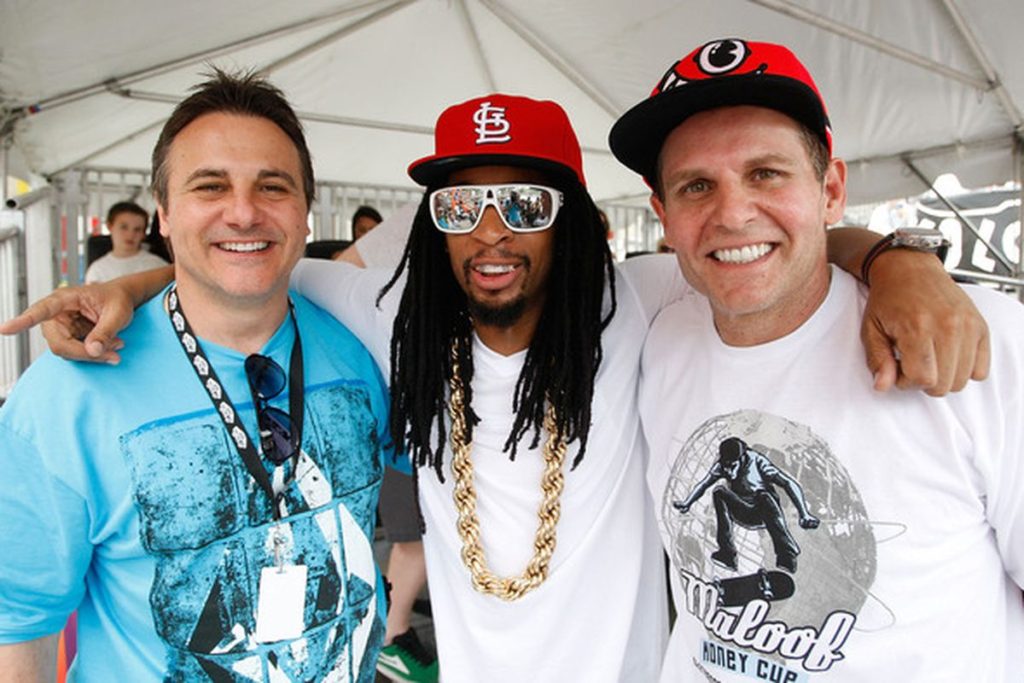
While Power Balance was making money hand over fist selling hologram bracelets through false marketing, the Maloof Brothers were appearing in rap music videos and trying to get a new arena built in Sacramento. Neither endeavor was particularly pleasant to watch.
Anyway, about the same time scientists were uncovering the truth about Power Balance products, the Maloofs’ fortunes began changing. Henry Abbott noted the Kings lost US$13 million in 2009 and 2010 and they were forced to sell their family business. Additionally, their Palms Casino in Las Vegas was hemorrhaging money.
This forced the brothers to fold the Sacramento Monarchs, their WNBA team, and layoff a bunch of employees. On the court, the Kings had transformed from the league’s darlings into doormats thanks to some awful coaching hires. Constant bitching about needing a new arena after being rebuffed on several occasions didn’t win the duo any fans.
Sponsors could not get away from the sinking ship fast enough. This included Arco, the west coast gas chain and title sponsor of the Kings’ home which was then known as Arco Arena. The oil company informed the team it was not renewing the agreement in September 2010. With the deal set to expire in February 2011, the Maloofs needed to act quickly.
Unfortunately, this wasn’t a great time to be in the market for naming rights deals. The US was still reeling from the recession and several notable stadiums, including Cowboys Stadium, Oklahoma City Arena and the nearby Oakland–Alameda County Coliseum were among those searching for sponsors.
And, of course, the Kings’ residency at the arena was on borrowed time. The Maloofs were actively searching for a new place to play. No one would be dumb enough to get involved with this mess. Well, almost no one.
Power Balance saw an arena naming rights deal with Sacramento as the ideal way to elevate their brand. The agreement was announced on January 11, 2011. We will come back to why the date is important in a bit. Anyway, the only thing less credible than benefit claims made by Power Balance about holograms were its statements about the Kings.
“The Maloof organization presented a unique opportunity to bring together Power Balance’s young and hungry brand with a youthful and talented NBA team. We are excited to work together to activate new community and wellness-focused events to engage people in multiple markets,” Troy Rodarmel, CEO and co-founder of Power Balance said in a press release.
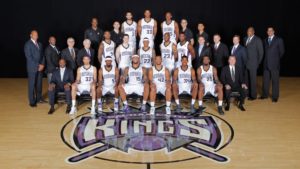
There was not a lot of talent on that Sacramento team. Sure, Tyreke Evans and DeMarcus Cousins were around. But Samuel Dalembert also started 46 games, and no one would describe guys like Donté Greene or Marcus Thornton as talented. The Maloofs’ take on the partnership was equally as myopic.
“We are thrilled to be partners with Power Balance,” Kings co-owners Joe and Gavin Maloof said. “This is a great collaboration for the entire Kings franchise and we are particularly excited in this economy to be able to sign a multi-year agreement with a company on Power Balance’s trajectory.”
That last line in particular is ridiculous. Power Balance’s trajectory was nothing to be excited about. The only sinking faster than the bracelet maker might have been the Maloof brothers’ empire. What could possibly go wrong when two lead balloons tie themselves together?
More Maloofs: Barry Bonds and the Maloof brothers crash a music video
Match made in hell
We mentioned earlier that the deal was agreed to on January 11, 2011 and that is important to note. The new, Power Balance Pavilion name wouldn’t go into effect until March, giving the two sides nearly two months to muck things up. And muck they did.
It started on January 21 of that year when a class action lawsuit was filed against Power Balance as well as two of its most notable NBA endorsers, Shaquille O’Neal and Lamar Odom. The suit claimed the hologram peddlers committed fraud, false advertising, unfair competition and unjust enrichment. The company responded by releasing the following statement which basically says we know we’re guilty but won’t admit it:
“Frankly, we know there will always be critics of new technologies, but our products are used by those with open minds who experience real results. Our company is absolutely committed to further evaluating the technology behind its products’ performance so that we can continue to offer products that enhance people’s lifestyle,” Power Balance President Keith Kato stated.
Not wanting to be outdone, Joe and Gavin Maloof began leaking information about their plans to move the team to Anaheim before the naming rights deal began. The rumblings became so loud that NBA Commissioner David Stern was forced to confirm that discussions on relocation were happening. It basically looked like the team was going to move and most likely at the end of the 2010-11 season.
The arena hadn’t even been rebranded under its new name and the sponsor was being sued for fraud while the team was planning to move as soon as possible.
More Basketball: Looking back at three major roster decisions that defined the Golden State Warriors dynasty
Watching an implosion
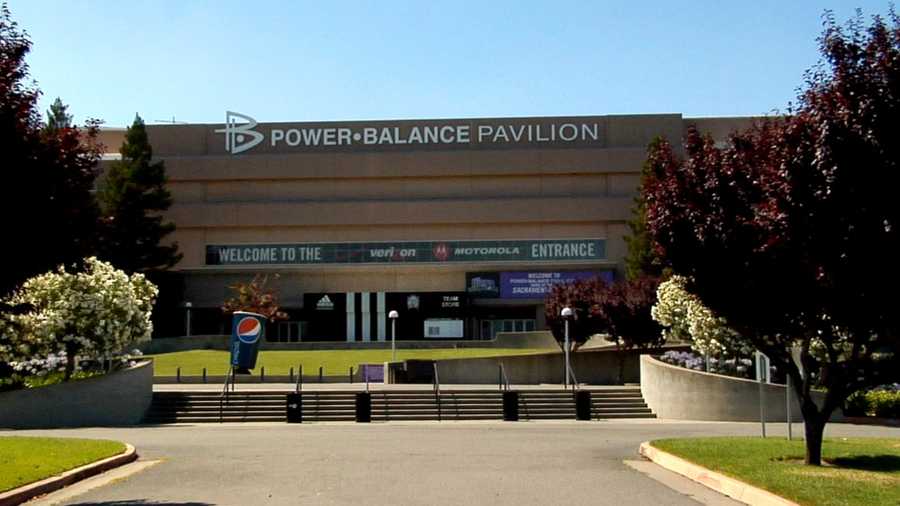
Despite all of the negative headlines, the building did become Power Balance Pavilion by March 1 as planned. That did little to change the fortunes of either party. And let’s just say the talks of moving nor the arena now being named after a scam company did much to convince people to come see the Kings play. The team finished with the second lowest attendance in the NBA in 2010-11.
Things were going even worse for the franchise off the court. Despite Sacramento’s move to Anaheim being classified as a done deal, the NBA blocked it from happening in May 2011. A group of local investors stepped up with funding while both the Los Angeles Lakers and Clippers were rumored to be adamantly opposed to a third team setting up shop in southern California.
The Maloof family was dealt another crushing blow a month later when they were forced to give up ownership of their prized Palms Casino Resort in order to clear US$400 million of debts. They did get to keep a two percent stake in the property, so at least that was something.
Meanwhile, Power Balance spent most of 2011 trying to pretend like nothing was wrong on the surface. Behind the scenes, it was burning through cash and that class action lawsuit proved to be unshakable. The company eventually reached a US$57.4 million settlement and then immediately filed for bankruptcy.
According to filings, Power Balance suffered a net loss of more than US$9 million between January and October of 2011 with the settlement essentially signaling a death blow for the hologram outfitter.
Going bankrupt also crushed the cash strapped Maloof brothers who not only lost a source of revenue but couldn’t go out and replace it right away. Bankruptcy proceedings had to play out before the arena naming agreement could be canceled outright.
For the better part of a year, the Sacramento Kings’ home carried the name of a bankrupt scam company who wasn’t even paying them for the right.
More Stadiums: The ol’ college try – NFL teams playing in college stadiums
A better worst arena name
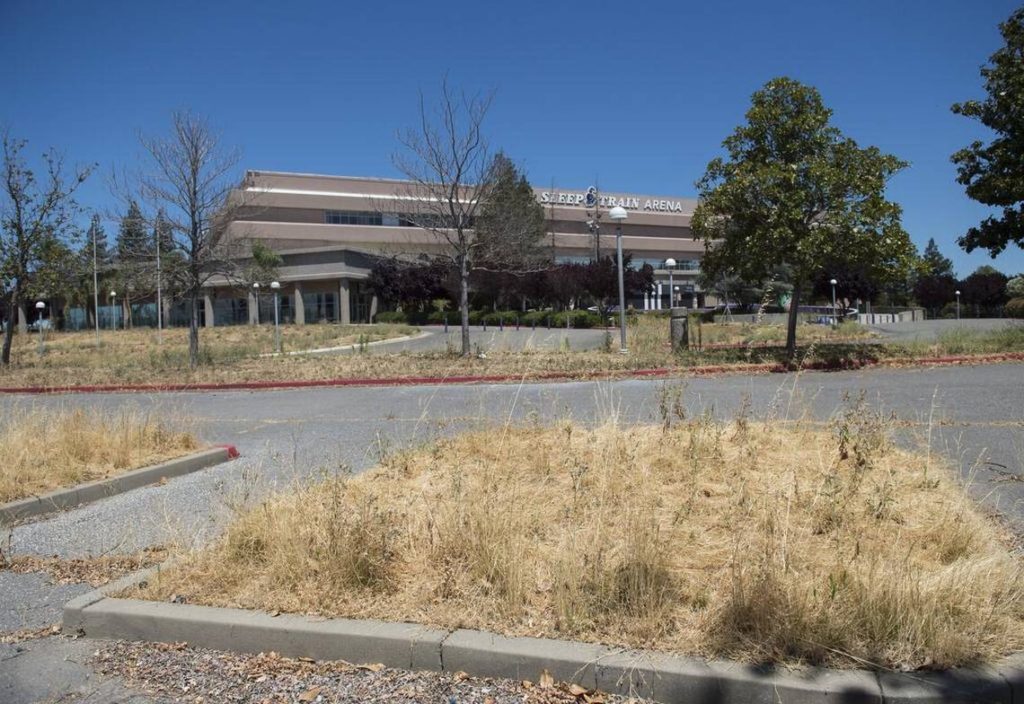
If you peruse any list of worst arena names, Sleep Train Arena usually pops up alongside Enron Field and a few other venues but few mention Power Balance Pavilion, its predecessor. This is totally unfair.
Look, an NBA stadium named after a regional mattress retailer wasn’t great, but it was significantly better than being sponsored by hologram bracelets. All of us in Sacramento knew Sleep Train and their jingle is probably burned into the brain of everyone who lived in the city.
More importantly, the investment showed that maybe the Kings had a future in the city. It would have been easy for everyone to abandon ship, especially considering how awful the Maloofs were. But Sleep Train stepped up.
By November 2012, Power Balance branding had been completely removed and the scam was officially gone. Unfortunately, the Maloofs would stick around for roughly six more months trying their hardest to move the team. That was blocked by the NBA and the Kings were sold to a group of investors committed to making it work in Sacramento.
As for Sleep Train Center, the franchise played there for three more seasons while Golden 1 Center was being built. The Kings left ahead of the 2016-2017 season with the old arena hosting some random events since then. Most recently, it was used as a COVID-19 patient overflow center.
It could be demolished sometime in 2022 with a hospital and medical campus planned for the site. That project is under review. However, life as a vacant, empty building is still better than being named after one of the biggest scams of the past 20 years.
More Kings: The Touchback’s Golden 1 Center review